
Parts of a Cabinet: What You Need to Know Before You Buy
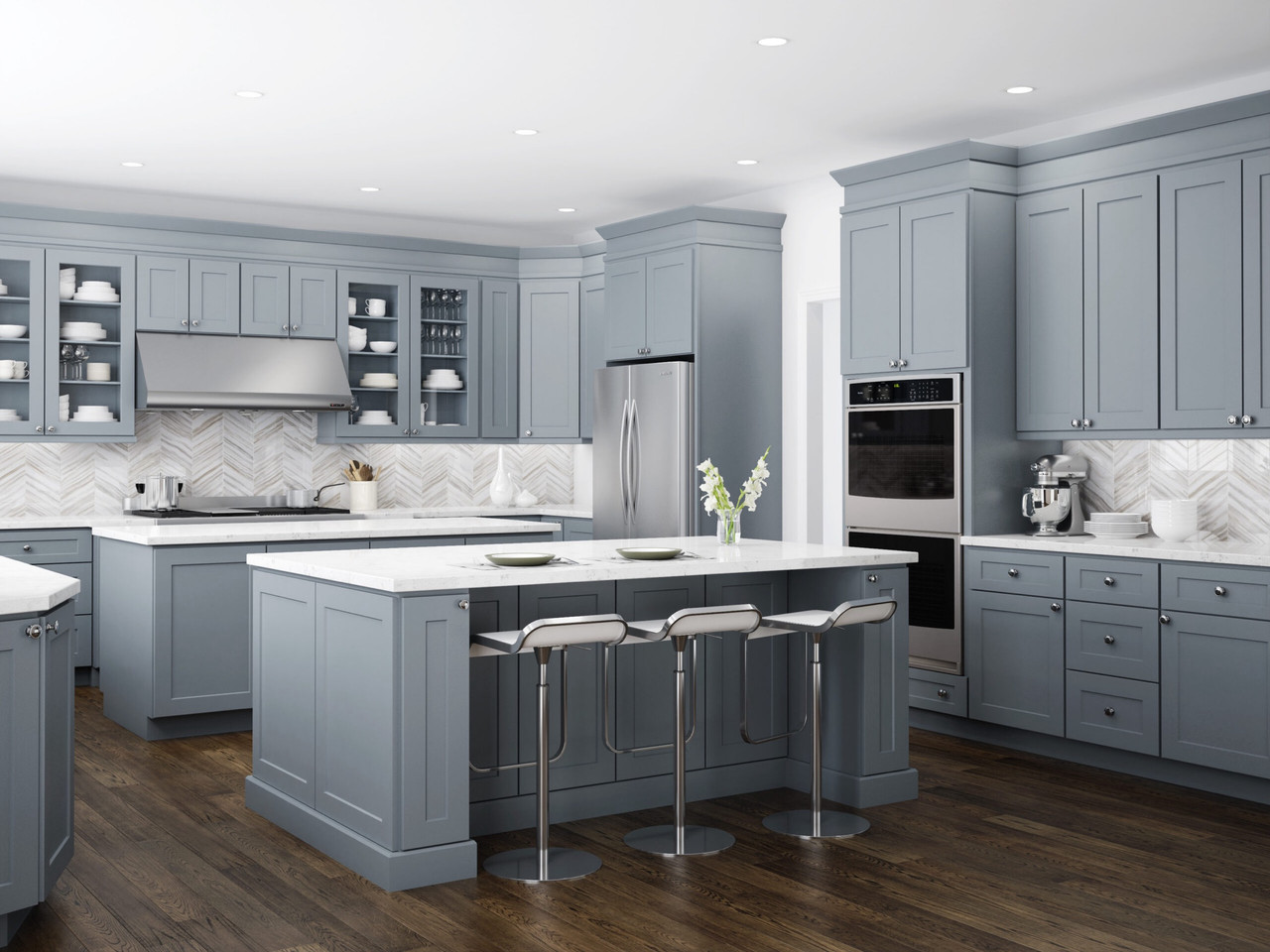
Whether you're shopping for new cabinets, planning an upgrade, or replacing a broken drawer, understanding cabinet terminology helps you make better decisions and avoid costly mistakes. This guide breaks down the essential parts of a cabinet so you can communicate clearly with contractors, order the right replacement components, and choose cabinets that fit your needs and budget.
Why Cabinet Terminology Matters
When you understand the parts of a cabinet, you can:
- Make informed purchases: Know what you're paying for and compare quality across different brands and price points.
- Order accurate replacements: Get the right hinges, drawer slides, or door fronts the first time instead of making multiple returns.
- Communicate with contractors: Speak the same language as your installer or designer to avoid miscommunication.
- Identify quality indicators: Recognize construction methods like dovetail joints or plywood box construction that signal durability.
- Maximize your budget: Understand which features matter most for your specific needs in kitchens, bathrooms, laundry rooms, or other spaces.
Cabinet Construction Basics
Frame Styles
Face frame cabinets: Traditional American-style construction featuring a box with horizontal rails and vertical stiles forming a frame. Cabinet doors attach to this frame, and you'll see some of the frame between doors on partial overlay designs.
Frameless cabinets: European-style construction with no face frame. Doors attach directly to the cabinet box, creating a seamless look with full overlay doors. This style maximizes interior storage space and works beautifully in modern or contemporary homes.
Box Construction
Plywood box construction: Cabinets built with sturdy plywood sheets rather than particle board or compressed wood materials. Plywood offers superior strength, moisture resistance, and longevity — especially important in bathrooms and laundry rooms where humidity is higher.
MDF core: Medium Density Fiberboard is a stable, consistent material often used for cabinet doors and drawer fronts. MDF takes paint finishes beautifully and costs less than solid wood.
Structural Components
Rails: Any horizontal framing piece in a cabinet, whether part of the face frame or internal structure.
Stiles: Any vertical framing piece in a cabinet. On face frame cabinets, stiles form the outer edges that you see between doors.
Toe kick: The recessed space at the bottom of base cabinets (typically 3-4 inches high) that allows room for your feet when standing at the counter. Important in kitchens, bathrooms, and laundry rooms for comfortable use.
Edge banding: A narrow strip of material applied to exposed edges of plywood or MDF to give them a clean, finished appearance. Quality edge banding resists peeling and chipping.
Cabinet Doors and Drawer Fronts
Door and Drawer Construction
Door face: The visible front surface of the cabinet door that displays your chosen style — shaker, traditional, contemporary, or rustic.
Drawer box: The structural frame that holds the drawer contents — typically wood with four sides and a bottom. Quality drawer boxes use solid wood sides rather than particle board.
Drawer face/drawer front: The decorative front panel attached to the drawer box that matches your cabinet door style.
Dovetail joint: An interlocking corner joint where wedge-shaped "pins" on one board fit into wedge-shaped "tails" on another like puzzle pieces. Dovetail construction indicates quality craftsmanship and creates incredibly strong, long-lasting drawer boxes.
Mortise and tenon joint: A traditional woodworking joint where a tab (tenon) from one piece fits snugly into a slot (mortise) in another. This creates strong, durable connections in cabinet frames.
Door Styles
5-piece panel door: A door constructed from four frame pieces surrounding a center panel. This includes shaker style, raised panel, and other traditional designs.
Slab door: A single, flat piece with no frame or panel details. Perfect for modern, minimalist kitchens and bathrooms. Also called flat-panel doors.
Door Overlay Types
Full overlay doors: Cabinet doors that cover the entire face frame, sitting right next to each other with minimal gaps. This maximizes the door surface area and creates a seamless, modern appearance.
Partial overlay doors: Doors that leave some of the face frame visible between them. This traditional style shows more of the cabinet structure and can add visual interest.
Cabinet Styles and Finishes
Popular Door Styles
Shaker cabinets: A timeless design featuring a flat center panel surrounded by a square frame with minimal ornamentation. Works in traditional, farmhouse, transitional, and even modern spaces. The most versatile style for any room in your home.
Traditional style cabinets: Feature raised panel doors with decorative details. The center panel sits slightly higher than the frame, creating dimension and elegance.
Transitional style cabinets: Bridge the gap between traditional and modern with clean lines and a beveled frame around a flat panel. Perfect for homeowners who want something current without going fully contemporary.
Slab/frameless cabinets: Ultra-modern style with completely flat doors and no frame details. Easy to clean and ideal for contemporary kitchens, bathrooms, and home offices.
Cabinet Types
RTA cabinets (ready-to-assemble): Cabinets that arrive flat-packed for you to assemble at home. RTA cabinets cost significantly less to ship, allowing you to invest in higher-quality materials for the same budget. Most take 30-45 minutes per cabinet to assemble once you get the hang of it.
Assembled cabinets: Pre-built cabinets ready to install immediately. They cost more to ship but save assembly time. Best for homeowners who want faster installation or don't feel comfortable assembling cabinets themselves.
Cabinet Hardware Essentials
Hinges
Concealed hinges: Hinges that fit inside cabinet doors so they're invisible from the outside. These create a clean, streamlined look and are standard on most modern cabinets.
Soft close hinges: Hinges with built-in dampers that slow the door's closing motion, preventing slamming. Essential for households with kids or anyone who values peace and quiet.
Drawer Hardware
Drawer slides: The metal tracks that allow drawers to open and close smoothly. Quality matters significantly here.
Full extension drawer slides: Slides that allow the drawer to pull all the way out, providing complete access to the entire drawer box. Essential for deep drawers and lower cabinets where reaching the back would otherwise be difficult.
Soft close drawer slides: Slides with dampers that gently close drawers, preventing slamming and extending the life of your cabinets.
Pulls and Knobs
Drawer pull: The hardware you grasp to open drawers and doors. Can be knobs, bars, or cups.
Knob: A single-piece pull in any shape — round, square, geometric, or decorative.
Cup pull: A curved, U-shaped pull where fingers tuck into the cup to open the drawer. Also called bin pulls or half-moon pulls. Popular in traditional and farmhouse-style kitchens and laundry rooms.
Bar pull: A straight horizontal or vertical handle, often cylindrical or rectangular. Works well in modern and transitional designs.
Specialized Cabinet Features
Modern cabinets offer specialized features and accessories that maximize storage, improve organization, and make your space more functional. Understanding these options helps you choose cabinets that truly work for your lifestyle.
Pull-outs: Deep shelves mounted on full extension slides that bring items from the back of the cabinet to you. Essential for base cabinets where reaching the back would otherwise be difficult. Especially useful in pantries, corner cabinets, and under-sink cabinets. Also include organization tools like trash can pull outs, pot hangers, and utensil bins.
Lazy Susans and corner organizers: Rotating shelves that maximize corner cabinet space, which is otherwise hard to access. Blind corner organizers with swing-out or pull-out mechanisms can nearly double the usable space in corner base cabinets.
Drawer inserts and dividers: Customizable organizers that keep utensils, spices, knives, and other items neatly separated. Custom-fit inserts prevent items from sliding around and make finding what you need effortless.
Tip-out trays: False drawer fronts at the sink that tip open to reveal storage for sponges and scrub brushes. These maximize otherwise wasted space while keeping cleaning supplies discreet and accessible.
Appliance garage or tambour doors: Flexible slatted doors that roll up or slide horizontally, popular in appliance garages that hide countertop appliances like toasters, mixers, and coffee makers. Keep small appliances accessible while maintaining a clean countertop appearance.
Floating shelves: Wall-mounted shelves with concealed brackets that appear to float. Work well in modern kitchens, home offices, and bathrooms where you want open storage without visible hardware.
Docking drawers: Specialized drawers with built-in electrical outlets and USB ports for charging devices. Perfect for kitchen islands, home offices, and master bedroom closets where you want to keep technology organized and charging.
Cabinet ventilators: Prevent heat and moisture buildup in enclosed spaces, extending the life of cabinets in kitchens and bathrooms where humidity and heat are concerns.
Applying This Knowledge Room by Room
Different rooms have different cabinet needs. Here's what to prioritize based on where you're installing or upgrading:
- Kitchens: Focus on durability, soft close features to reduce noise, full extension slides for deep base cabinets, and dovetail drawer boxes for heavy cookware.
- Bathrooms: Prioritize plywood construction over particle board due to moisture, soft close hinges for early-morning quiet, and concealed hinges for a spa-like aesthetic.
- Laundry Rooms: Look for sturdy construction to hold heavy detergent bottles, full extension slides for easy access to supplies in the back, and cabinet styles that match adjacent spaces.
- Mudrooms and Entryways: Choose durable finishes that resist scratches, soft close features for high-traffic use, and practical hardware like cup pulls that work even with full hands.
- Home Offices: Consider frameless cabinets to maximize file storage space, full extension slides for file drawers, and modern slab fronts for a professional appearance.
- Garages: Seek out the most durable construction — plywood boxes with sturdy hardware — to handle heavy tools and equipment.
Making Smart Cabinet Decisions
Understanding the parts of a cabinet helps you:
- Compare quotes accurately: Know whether you're comparing apples to apples when shopping between different brands or contractors.
- Prioritize features: Decide which elements matter most for your specific room and how you'll use it.
- Spot quality construction: Recognize indicators like dovetail joints, plywood boxes, and brand-name hardware that suggest cabinets will last.
- Order replacement parts: Communicate exactly what you need when a hinge breaks or you want to upgrade drawer slides.
- Plan realistic budgets: Understand which features add cost so you can make informed trade-offs.
Whether you're renovating your entire kitchen, updating bathroom vanities, adding storage to a laundry room, or replacing a single broken drawer front, knowing cabinet terminology empowers you to make decisions with confidence. The more you understand about construction methods, hardware options, and quality indicators, the better equipped you are to create spaces that work beautifully for years to come.
Our team is always available to help walk you through cabinet options, finishes, and installation support. You can reach us by phone from 8 a.m. to 4:30 p.m. Monday–Thursday and 8 a.m. to 12 p.m. Friday (CST) at 1-800-882-0009 or via our contact form.
Frequently Asked Questions About Cabinet Parts
What's the difference between a drawer box and a drawer front?
The drawer box is the structural frame that holds your items — it has four sides and a bottom. The drawer front (or drawer face) is the decorative panel attached to the front of the drawer box that matches your cabinet door style. When replacing damaged drawers, you may only need to replace the front rather than the entire box.
Are dovetail joints worth the extra cost?
Yes, especially for drawers that will hold heavy items like cookware, tools, or files. Dovetail joints create incredibly strong connections that resist pulling apart even under heavy loads. They're a hallmark of quality construction and significantly extend the life of your cabinets.
Which is better: plywood or MDF for cabinets?
Plywood is superior for cabinet boxes, especially in moisture-prone areas like bathrooms and laundry rooms. It's stronger, more moisture-resistant, and longer-lasting. MDF works beautifully for painted cabinet doors and drawer fronts because it takes paint well and costs less than solid wood, but you should avoid MDF for structural components in humid environments.
Should I choose full overlay or partial overlay cabinet doors?
Full overlay doors create a more modern, seamless look with minimal gaps between doors and cover the entire face frame. Partial overlay cabinets are more traditional and show some of the frame between doors. Choose based on your style preference and whether you want a traditional or contemporary aesthetic.
How do I know if my cabinets are framed or frameless?
Open a cabinet door and look at the front edge of the cabinet box. If you see a wooden frame (rails and stiles) around the opening where the door attaches, you have face frame cabinets. If the door attaches directly to the cabinet box edges with no frame in between, you have frameless (European-style) cabinets. Frameless cabinets typically offer slightly more interior storage space.
Can I upgrade my existing cabinet hardware to soft close?
Often yes, but it depends on your current cabinet construction. Soft close hinges and drawer slides can typically be retrofitted onto existing cabinets if the cabinet boxes are in good condition. A cabinet professional can assess whether your cabinets are compatible with soft close upgrades, which can significantly improve functionality without replacing entire cabinets.
What does RTA mean and is it as good as assembled cabinets?
RTA stands for ready-to-assemble. These cabinets arrive flat-packed and require assembly at home. The quality can be identical to assembled cabinets — you're simply saving on shipping and labor costs by doing the assembly yourself.
Most RTA cabinets take 30-45 minutes each to assemble once you understand the process. If you're comfortable with basic tools and following instructions, RTA cabinets let you afford higher-quality materials for the same budget.